
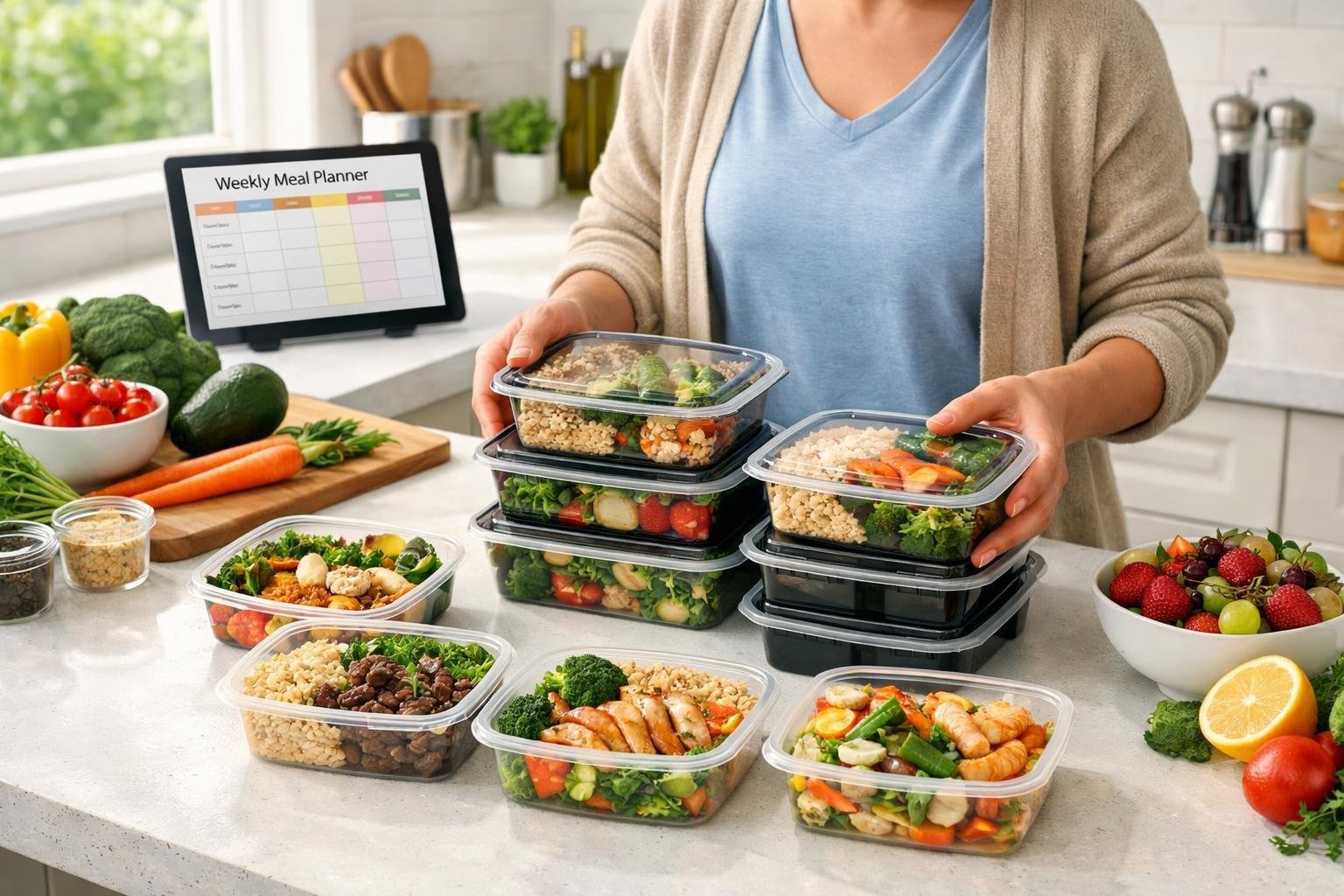
How to Create a Weekly Meal Plan That Saves Time and Money
Planning meals for the week can make busy days easier. Instead of deciding what to cook at the last minute, you can prepare a simple plan, organize your grocery shopping, and make better use of the ingredients you already have.
A weekly meal plan does not need to be complicated. You do not need to prepare every meal in advance or follow a strict diet. The goal is simply to decide what you are likely to eat and make your shopping and cooking more organized.
Here are practical steps to create a weekly meal plan that can save time, reduce unnecessary purchases, and make everyday meals easier to manage.
Table of Contents
- 1. Check What You Already Have
- 2. Choose Meals for the Week
- 3. Plan Around Your Schedule
- 4. Create One Grocery List
- 5. Use Similar Ingredients
- 6. Prepare Some Ingredients Early
- 7. Keep Easy Meals Available
- 8. Store Food Properly
- 9. Reduce Food Waste
- 10. Review What Worked
- Simple Weekly Meal Plan Example
- Frequently Asked Questions
1. Check What You Already Have
Before creating your grocery list, check your refrigerator, freezer, and pantry.
You may already have ingredients that can be used for several meals. Using what you already own can reduce unnecessary purchases and help prevent food from being forgotten.
Make a short list of ingredients that should be used soon and include them in your meal plan where practical.
2. Choose Meals for the Week
Choose the main meals you expect to prepare during the week.
You do not have to plan every snack or every meal in detail. Start with the meals that are most difficult to organize.
Choose recipes that match your cooking skills, available time, budget, and personal preferences.
3. Plan Around Your Schedule
Your meal plan should match your real life.
If you have a busy evening on Tuesday, choose a quick meal for that day. If you have more free time on Sunday, you could prepare ingredients for several meals.
Planning around your schedule is often more practical than assigning complicated recipes to every day.
4. Create One Grocery List
After choosing your meals, write down the ingredients you need.
Organize your shopping list into sections such as:
- Vegetables and fruits
- Grains and bread
- Dairy products
- Protein foods
- Pantry items
- Frozen foods
Check your existing supplies before adding an item to the list. This can help reduce duplicate purchases.
5. Use Similar Ingredients
Choosing meals that share some ingredients can make grocery shopping easier and may help reduce waste.
For example, vegetables purchased for one meal could also be used in another meal later in the week.
This does not mean eating the same meal every day. Instead, plan different meals that use some of the same basic ingredients.
6. Prepare Some Ingredients Early
You do not have to cook every meal in advance. Preparing a few ingredients ahead of time can still save effort during busy days.
Depending on the food, you could wash and prepare vegetables, cook certain ingredients, portion foods, or organize ingredients for upcoming meals.
Follow appropriate food-safety practices when preparing and storing food.
7. Keep Easy Meals Available
Every week has unexpected events. A meeting may run late, plans may change, or you may simply have less energy than expected.
Keep a few simple meal options available for busy days.
Examples can include simple sandwiches, salads, leftovers, quick stir-fries, soups, or other meals that fit your normal eating preferences.
Having easy options available can reduce the temptation to make an unplanned food purchase simply because there is nothing ready to eat.
8. Store Food Properly
Good food storage can help maintain quality and reduce unnecessary waste.
Use suitable containers and label prepared foods when useful. Keep refrigerated and frozen foods at appropriate temperatures and follow food safety guidance for storage times.
If you are unsure whether a food is safe to eat, it is better to follow reliable food-safety guidance rather than guessing.
9. Reduce Food Waste
Food waste can increase grocery costs. A meal plan can help because you are buying ingredients with specific meals in mind.
Try to use ingredients before they spoil. Flexible recipes can also help you use leftover vegetables or other ingredients.
For example, extra vegetables from one meal may work in a soup, omelet, sandwich, or stir-fry later in the week.
10. Review What Worked
At the end of the week, spend a few minutes reviewing your meal plan.
Ask yourself:
- Which meals were easy to prepare?
- Which ingredients were left unused?
- Did I buy more food than necessary?
- Which meals did my family enjoy?
- Which meals took too much time?
Use these answers to make next week's plan easier.
Simple Weekly Meal Plan Example
Here is a basic example of how you could organize a week. Adjust the meals to your own dietary preferences, budget, and schedule.
| Day | Example Meal |
|---|---|
| Monday | Rice, vegetables, and a protein-rich food |
| Tuesday | Quick homemade sandwich or wrap with vegetables |
| Wednesday | Soup with bread and a side of vegetables |
| Thursday | Stir-fried vegetables with rice or another grain |
| Friday | Homemade pasta with vegetables |
| Saturday | Flexible family meal |
| Sunday | Meal using available leftovers and fresh ingredients |
This is only an example. A useful meal plan should reflect your household, cooking preferences, dietary requirements, and schedule.
How to Save Money With a Meal Plan
Meal planning can help you shop with a specific purpose. Instead of buying large numbers of items without knowing when you will use them, create a list based on the meals you expect to prepare.
Compare prices, use ingredients you already have, and consider flexible recipes that can use leftovers.
You can also plan some lower-cost meals during the week while reserving more expensive ingredients for meals where you particularly want them.
How to Save Time With a Meal Plan
The biggest time-saving benefit often comes from reducing daily decisions. When you already know what you are going to prepare, you spend less time thinking about dinner at the end of a busy day.
Preparing selected ingredients in advance can also make cooking faster. However, avoid preparing more food than you can safely store and use.
Frequently Asked Questions
What is a weekly meal plan?
A weekly meal plan is a simple schedule that outlines the meals you expect to prepare during the week. It can also help you create a more organized grocery list.
How do I start a weekly meal plan?
Start by checking the food you already have, choosing several meals, checking your schedule, and creating a grocery list based on the ingredients you actually need.
Can meal planning save money?
It can help reduce unnecessary purchases and food waste because you are shopping with specific meals in mind. Your actual savings will depend on your food choices, prices, household size, and shopping habits.
Do I need to prepare every meal in advance?
No. Meal planning and meal preparation are different. You can simply decide what you will eat without cooking everything ahead of time. Preparing a few ingredients can be useful when your schedule is busy.
How can I avoid wasting food?
Check what you already have before shopping, plan meals around ingredients that need to be used soon, buy appropriate quantities, and store food properly.
Final Thoughts
A weekly meal plan does not need to be complicated. Start by checking your existing food, choosing practical meals, organizing your grocery list, and planning around your schedule.
Use ingredients across multiple meals when possible, keep a few easy meals available, and review your plan at the end of the week.
The best meal plan is one that fits your household and makes your week easier. Start with a simple plan and improve it as you learn what works for you.
Food and Nutrition Disclaimer
This article is provided for general informational purposes only. Individual dietary needs can vary. If you have a medical condition, food allergy, specific dietary requirement, or other health concern, consult an appropriately qualified healthcare professional or registered dietitian.